Award-Winning Laguna Hills Landscaper for Modern Yard Makeovers
Essential Tips for Landscaping to Convert Your Exterior Area Into a a Gorgeous Oasis
Creating a stunning outdoor oasis demands meticulous consideration of various landscaping elements. Picking the right plants, designing an efficient layout, and incorporating hardscape features are crucial steps. Careful lighting and water features can elevate the atmosphere. Consistent maintenance is essential for longevity. Every of these aspects plays a significant role in transforming an outdoor space. The journey to a beautiful environment starts with understanding these foundational principles. What comes next may astonish you.
Choosing the Best Plants for Your Landscaping
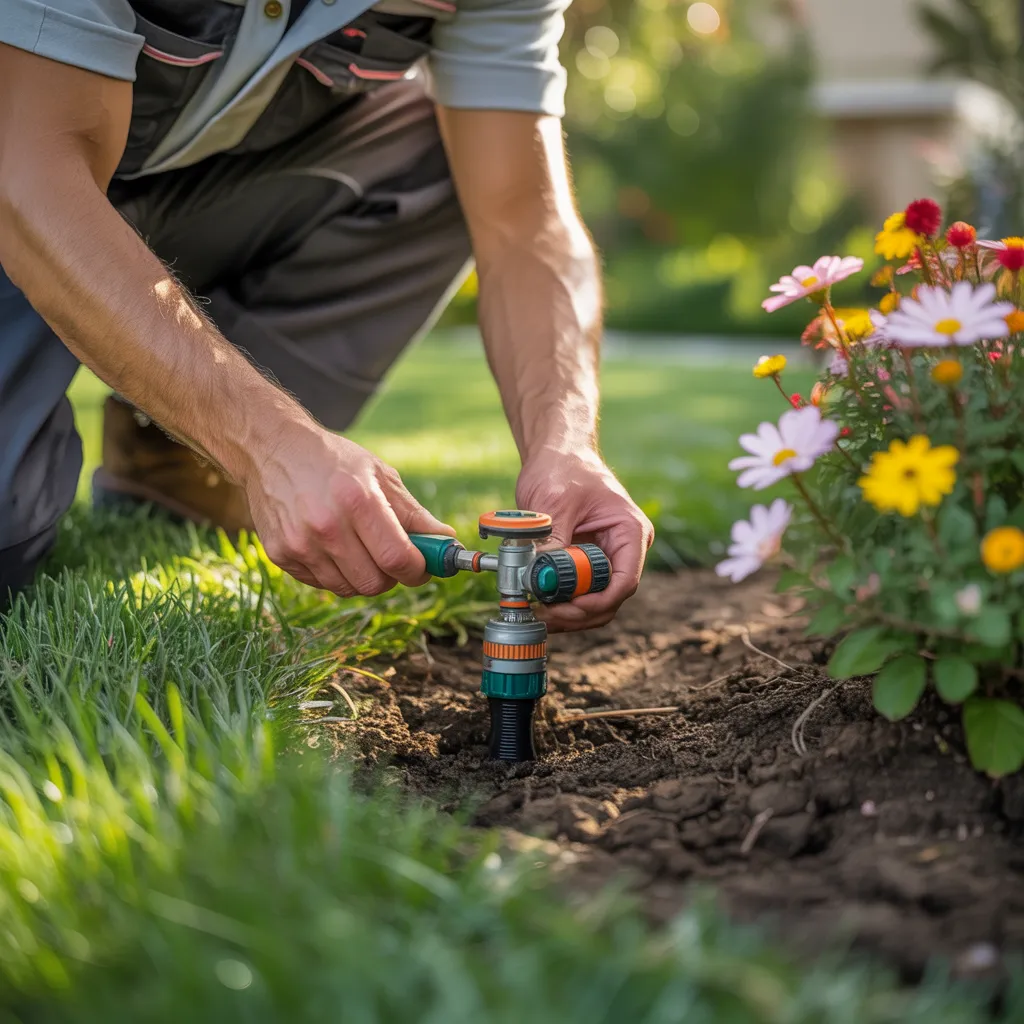
While choosing plants for landscaping, how does one make certain that the choices match both aesthetic and environmental needs? First, it is vital to evaluate the local climate and soil conditions. Plants should be native or well-adapted species that flourish in the specific environment, delivering sustainability and reduced maintenance. Next, understanding the desired visual appeal is crucial. Color, texture, and seasonal changes should be considered to create a harmonious landscape.
Moreover, the scale of the plants in relation to the space needs to be considered. Selecting a mix of heights and forms can bring depth and visual appeal. It is also vital to evaluate the plants' growth habits, making sure they will not overcrowd or compete for resources. Lastly, incorporating plants that support local wildlife can boost biodiversity, making the landscape not only visually appealing but also ecologically advantageous. Mindful examination of these factors can lead to a thriving and robust outdoor space.
The Next Phase: Designing a Layout That Fits Your Lifestyle
Planning a landscape arrangement that fits one's lifestyle demands deliberate consideration of how outdoor spaces will be used. For those who commonly entertain, incorporating seating areas and dining spaces can enhance social interactions. Conversely, individuals seeking calmness might focus on secluded nooks or gardens that foster relaxation.
A practical layout likewise considers the flow of movement between distinct zones. Pathways should connect key elements, such as patios, landscape features, and leisure areas, allowing effortless circulation. In addition, the inclusion of features suitable for families, including play areas or open lawns, promotes outdoor activities for all ages.
Understanding sunlight patterns and seasonal variations is vital when arranging plants and features. This awareness facilitates ideal growth and enjoyment throughout the year. Finally, a carefully planned landscape layout not only showcases personal style but also improves the daily experience of outdoor living, creating a harmonious extension of the home.
Incorporate Hardscape Elements for Visual Attraction
Adding hardscape elements into landscaping can greatly improve visual appeal. By selecting durable materials and designing functional pathways, outdoor spaces can reach both beauty and practicality. These features not only define areas within the landscape but also provide structure and longevity to the overall design.
Select Durable Materials
Selecting durable materials is essential for creating hardscape elements that not only improve visual attraction but also endure the test of time. Homeowners should consider using materials such as natural stone, brick, and concrete for patios, retaining walls, and walkways. These materials not only provide aesthetic appeal but also deliver resilience against weather changes and heavy foot traffic. Furthermore, incorporating recycled materials can be a sustainable decision that adds character to the landscape. Selecting high-quality finishes and sealants can further safeguard these surfaces from wear and tear. By selecting durable materials, outdoor spaces can retain their beauty and functionality for years, transforming the area into a stunning oasis that promotes relaxation and enjoyment.
Develop Effective Paths
Purposeful pathways contribute significantly to improving both the practicality and aesthetic appeal of outdoor spaces. By adding hardscape elements, such as stone, brick, or gravel, pathways can develop distinct routes that direct visitors and improve accessibility. These materials not only deliver durability but also introduce texture and contrast to the landscape. Curved pathways can soften hard lines, while straight paths deliver a more formal look. Additionally, adding lighting along pathways improves safety and adds visual interest during nighttime. Edging made from contrasting materials can further define the pathways, creating a cohesive design. Overall, carefully crafted pathways transform an outdoor area into a welcoming and balanced retreat, encouraging exploration and enjoyment.
Utilize Lighting for Ambience and Safety
Although outdoor spaces can be attractively designed during the day, effective lighting transforms these areas into appealing and safe environments after nightfall. Carefully placed lights enhance the landscape's features, highlighting greenery, plants, and architectural elements. Subtle, warm lighting creates a cozy atmosphere, perfect for gatherings or quiet evenings outdoors.
Beyond aesthetic appeal, proper lighting guarantees safety. Illuminating pathways and steps stops accidents and enables guests navigate the space with ease. Motion sensor lights can offer security by illuminating dark areas when movement is detected.
Choosing lighting fixtures is vital; options include everything from subtle solar lights to elegant lanterns. Dimmers can also be installed to regulate brightness depending on the occasion. Ultimately, merging functionality with beauty, outdoor lighting enhances the complete experience, permitting homeowners to appreciate their outdoor spaces long after the sun has set.
Integrate Water Features for Calmness
Incorporating water features within outdoor spaces brings a layer of tranquility that enriches the ambiance established by strategic lighting. The soothing sound of flowing water can convert a garden into a tranquil retreat, inviting relaxation and reflection. Options such as fountains, ponds, or small waterfalls can be tailored to suit diverse styles, from modern to rustic.
Introducing aquatic plants and colorful fish improves the aesthetic appeal and fosters a harmonious ecosystem. Correct placement is vital; locating water features near seating areas encourages enjoyment while creating a soothing backdrop.
In addition, incorporating lighting near these features can showcase their beauty throughout the evening, view information about creating a mesmerizing atmosphere. Regular maintenance is crucial to ensure cleanliness and functionality, permitting the water feature to remain a focal point of serenity. Ultimately, water features serve not only as visual additions but also as vital elements in fostering a serene outdoor space.
Transform Your Outdoor Space With Custom Decor
Changing an outdoor space into a personal sanctuary can be achieved through the careful selection of unique decor. Individuals can enhance their environment by incorporating elements that reflect their personality and style. Deliberately chosen sculptures, garden art, and handcrafted items can serve as focal points, igniting conversation and admiration.
Adding bright cushions and throws on outdoor furniture provides color and comfort, inviting relaxation. Unique planters, fashioned from unusual materials or designs, can provide a distinctive touch to plants. Furthermore, hanging lanterns or decorative string lights can create a warm, inviting atmosphere during evening gatherings.
Personalized details, such as family heirlooms or travel souvenirs, can stir up cherished memories and establish a sense of belonging. By mindfully curating these decorative items, one can create an outdoor space that not only showcases individual taste but also becomes a cherished retreat for close ones.
Year-Round Service for Your Outdoor Oasis
To preserve the beauty and functionality of an outdoor oasis throughout the year, ongoing care and attention are vital. Seasonal variations demand specific tasks to keep the landscape thriving and beautiful. In spring, mulching and planting new flowers renew the space, while summer calls for frequent watering and weeding to inhibit overgrowth and drought stress.
As autumn approaches, cutting back trees and shrubs is crucial to stimulate vigorous growth and prevent disease. Leaf removal also helps upholding the attractive appearance of the garden. Winter maintenance includes shielding fragile plants by wrapping them in mulch or burlap and guaranteeing that pathways remain clear of snow and ice.
Additionally, ongoing preservation of exterior furniture and décor aids in preserving their condition. By implementing these seasonal guidelines, individuals can make certain that their outdoor oasis remains a captivating retreat throughout the year, inviting leisure and enjoyment regardless of the weather.
Questions & Answers
When Should You Start Landscaping During the Year?
The optimal time of year to begin landscaping is typically early spring or early fall. These seasons present perfect temperatures and moisture, permitting plants to build roots before the extreme temperatures of summer or winter arrive.
How Do I Maintain My Landscaping on a Budget?
To preserve landscaping on a budget, it's important to prioritize regular weeding, mulching, and DIY projects. Utilizing native plants and effective watering techniques can also lower costs while boosting the general appeal of the outdoor space.
Do Busy Homeowners Have Access to Low-Maintenance Plants?
Absolutely, various minimal-maintenance plants are suitable for busy homeowners. Selections like succulents, ornamental grasses, and native perennials necessitate minimal upkeep while supplying visual beauty, rendering them perfect options for those desiring beauty without considerable maintenance.
How Can I Attract Wildlife to My Outdoor Space?
To draw in wildlife, it's possible to introduce native plants, offer water sources, create shelter with shrubs or logs, and install bird feeders. These components encourage numerous species to visit, enhancing the outdoor environment and biodiversity.
What Equipment Do I Need for Basic Landscaping Work?
To carry out basic landscaping work, one requires essential tools like a shovel, rake, trowel, pruning shears, lawn mower, wheelbarrow, and gloves. These tools allow for successful planting, maintenance, and overall enhancement of outdoor spaces.